
Piccola Libreria
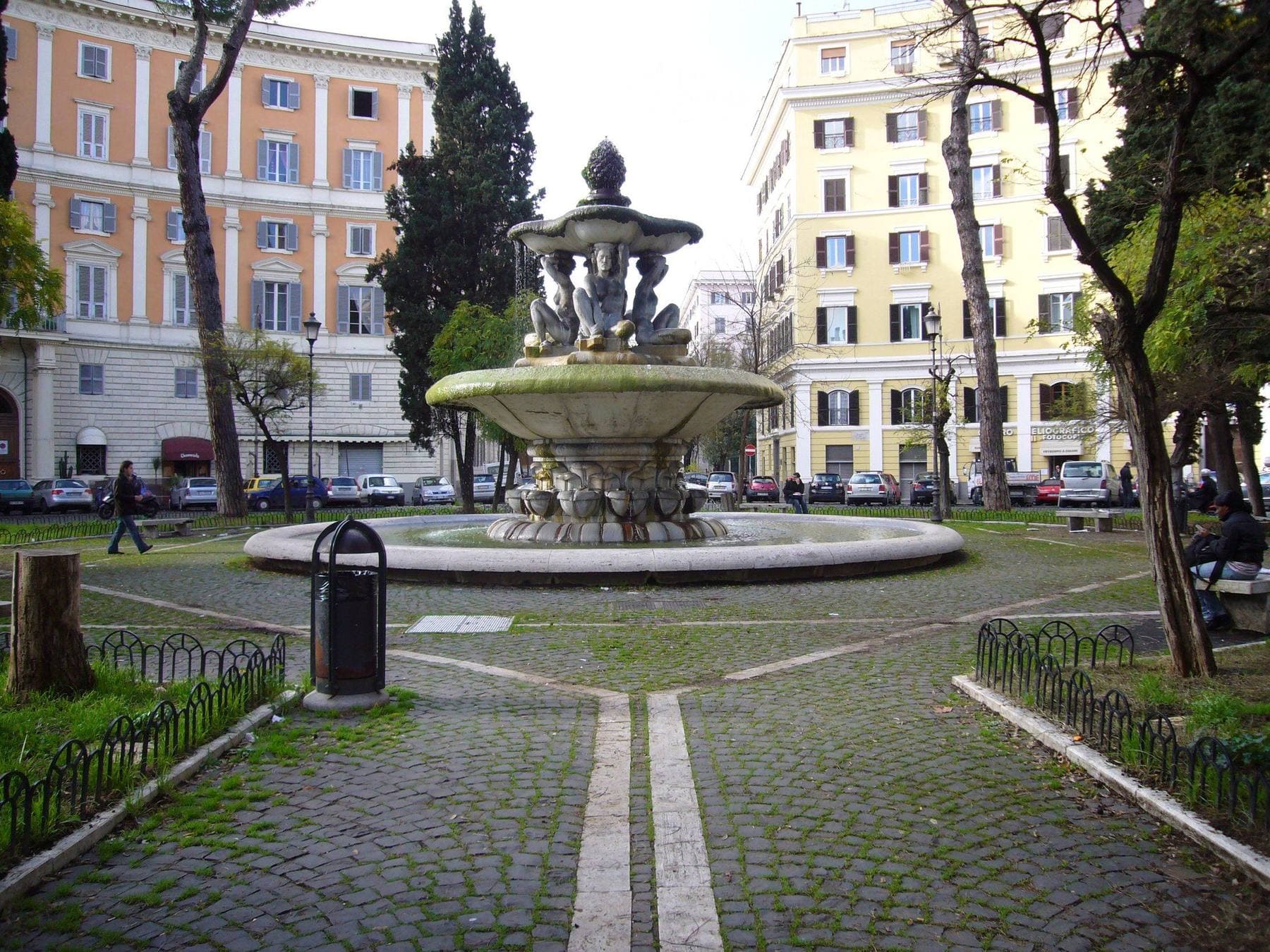
Project Brief
The Goal for this project was to design an outdoor urban design intervention in one of the historic neighborhoods of Rome. For my project I was assigned to work within the neighborhood of Prati, with a focus on the Piazza Dei Quiriti.
Research
Field Research
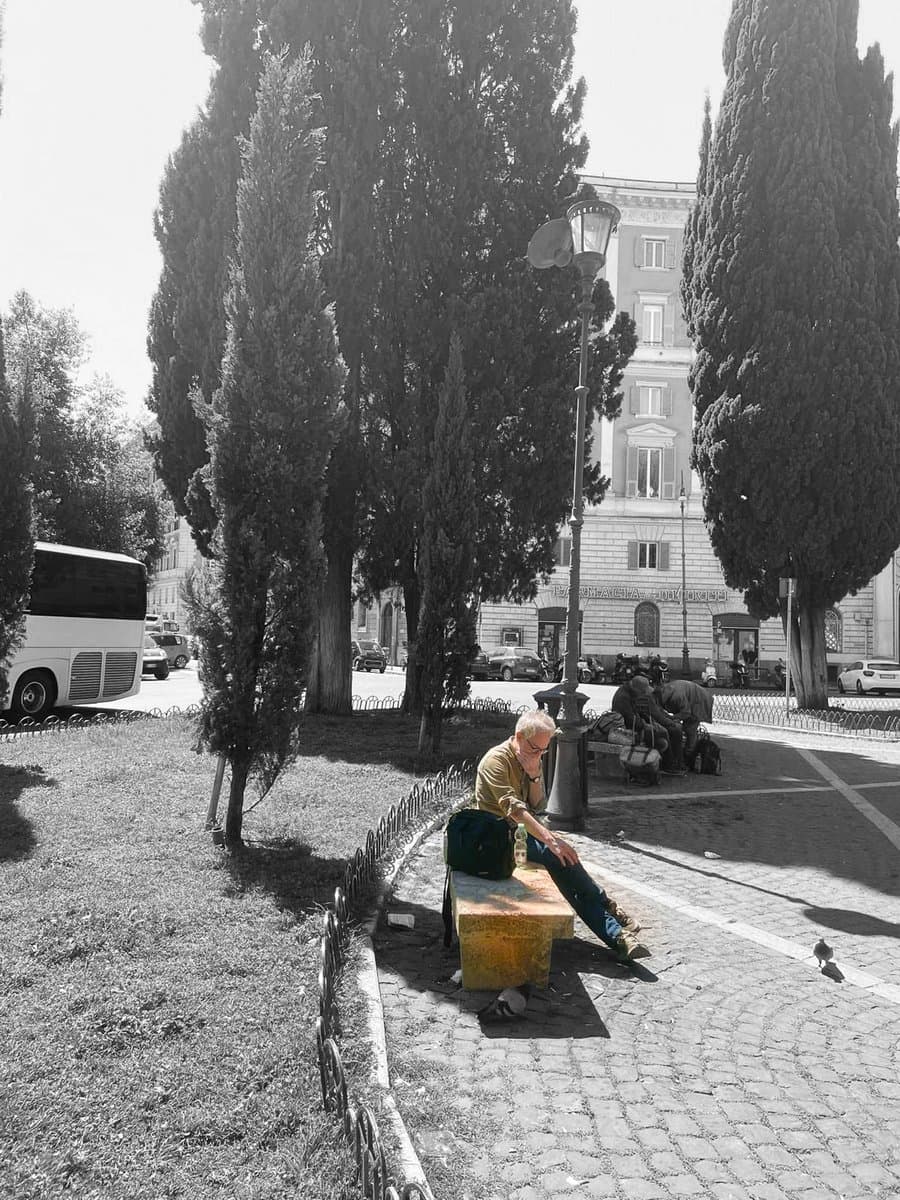
The first step of my research was to go to the area and understand how people spent time in the area. I visited the site on 3 different occasions to understand user behavior across the following conditions: Morning, Afternoon, Night
“People are mainly drawn to the benches, both when alone and in groups”
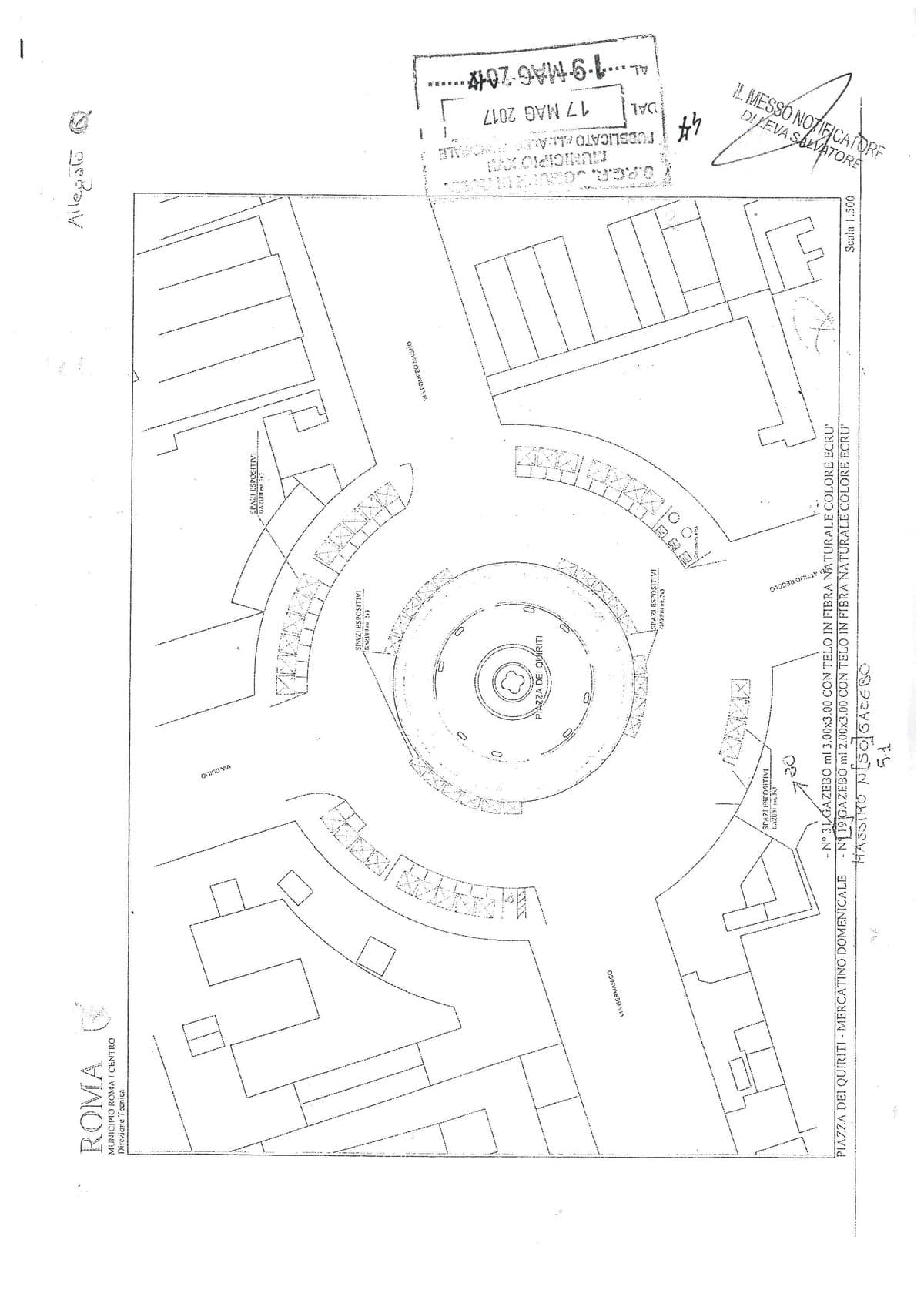
To better understand the scale of the design intervention a plan of the area was found from the city of Rome.
User Journey
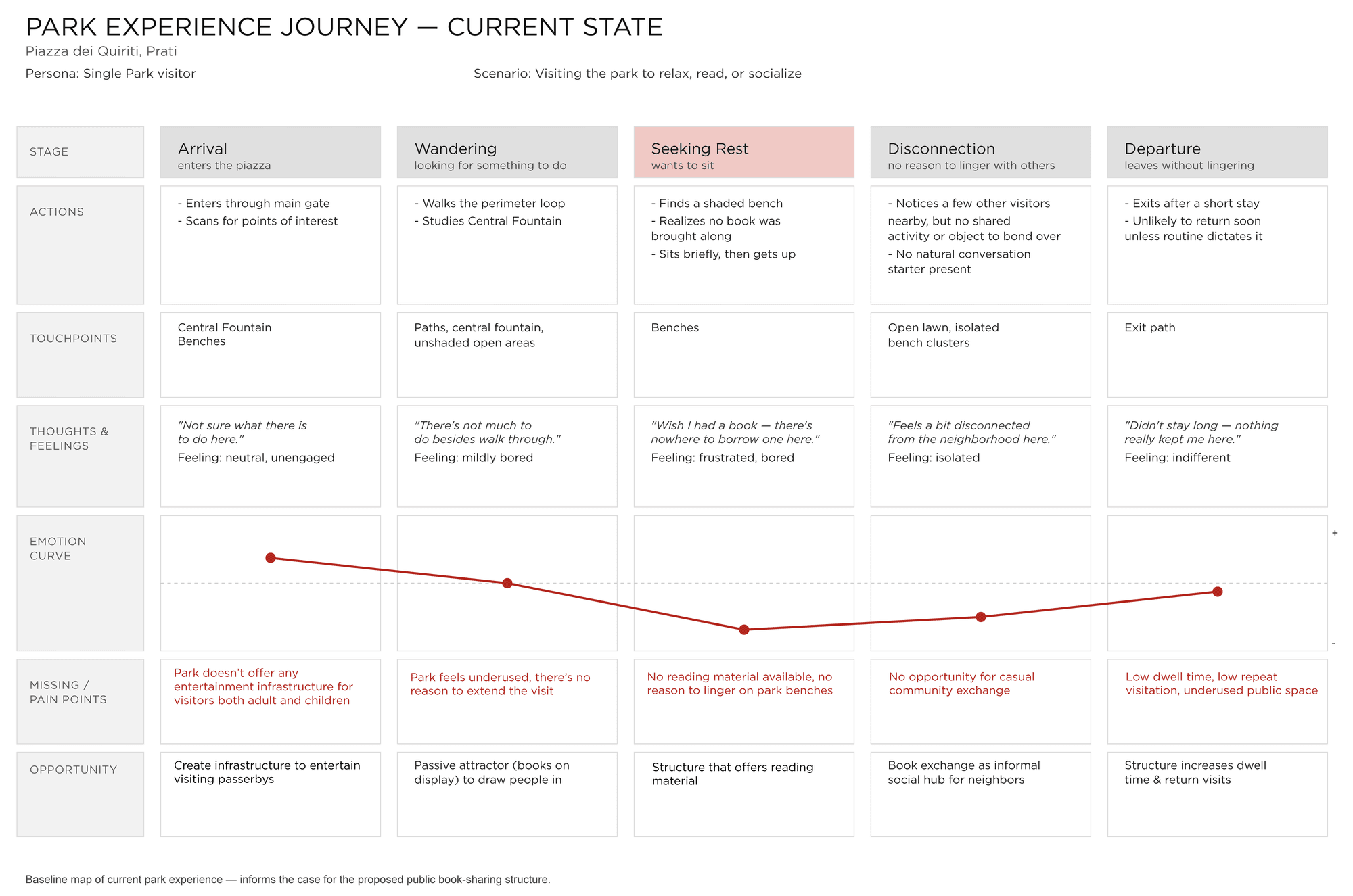
To better understand the problem that was presented by the benches I created a user journey map showing where a potential pain point can be found
Design
References
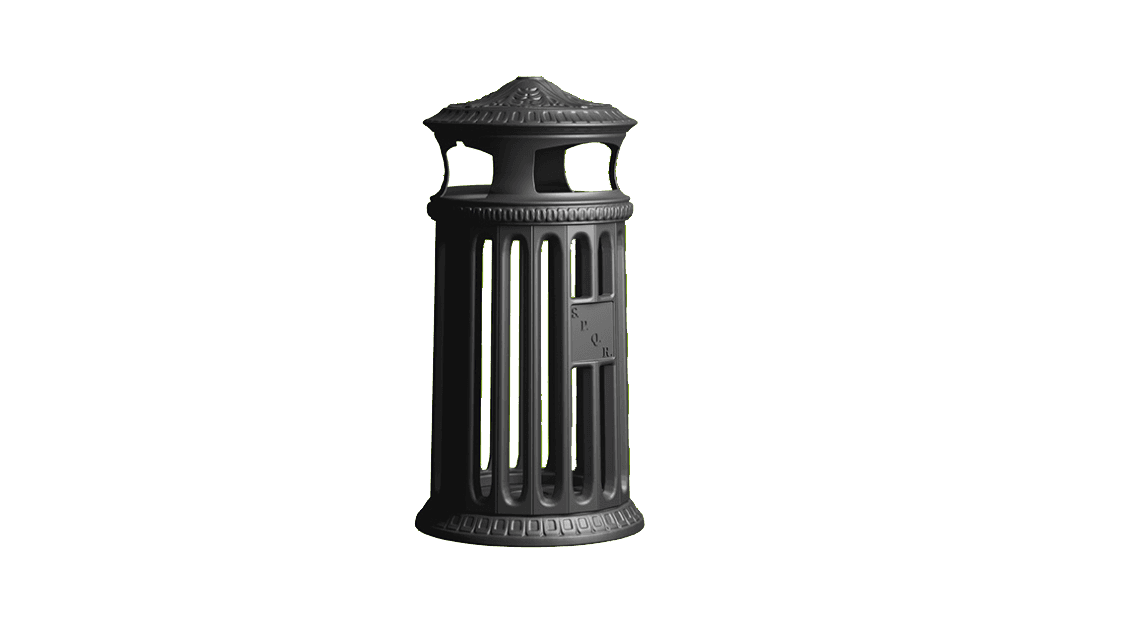
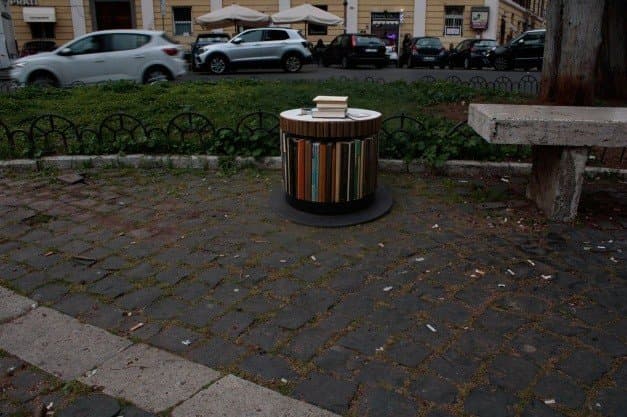
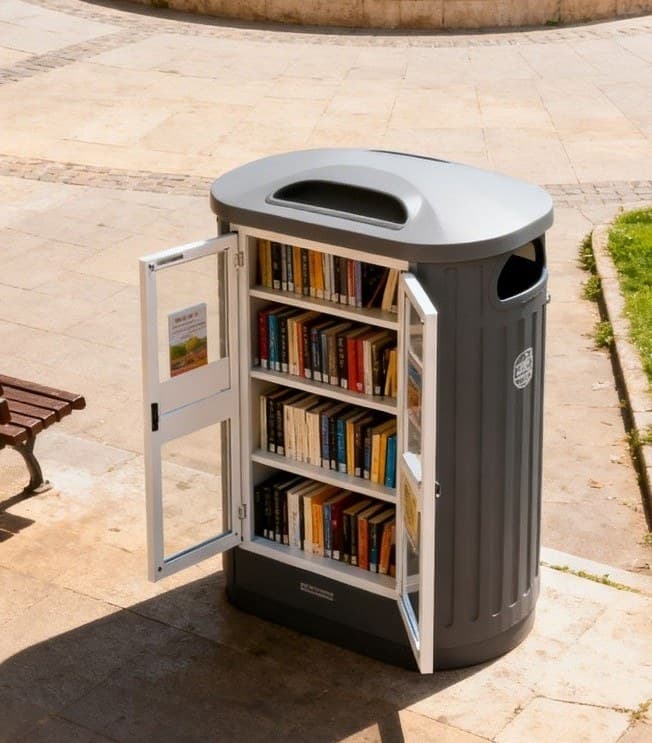
Inspiration for this came primarily from public park trash cans that are found in Rome. Alongside the original design reference, AI was used to supplement the initial ideation phase.
Design Concept
To the right is a sketch book page studying what form language I thought would be best to move forward with.
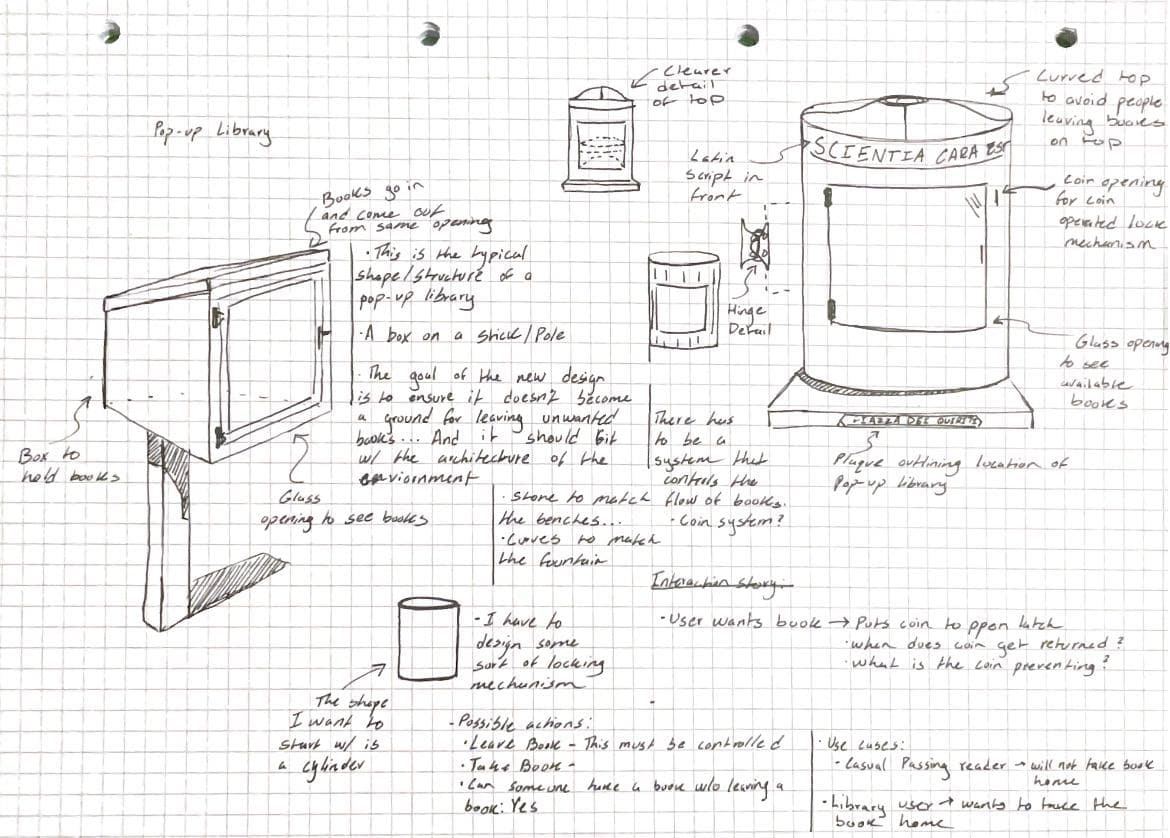
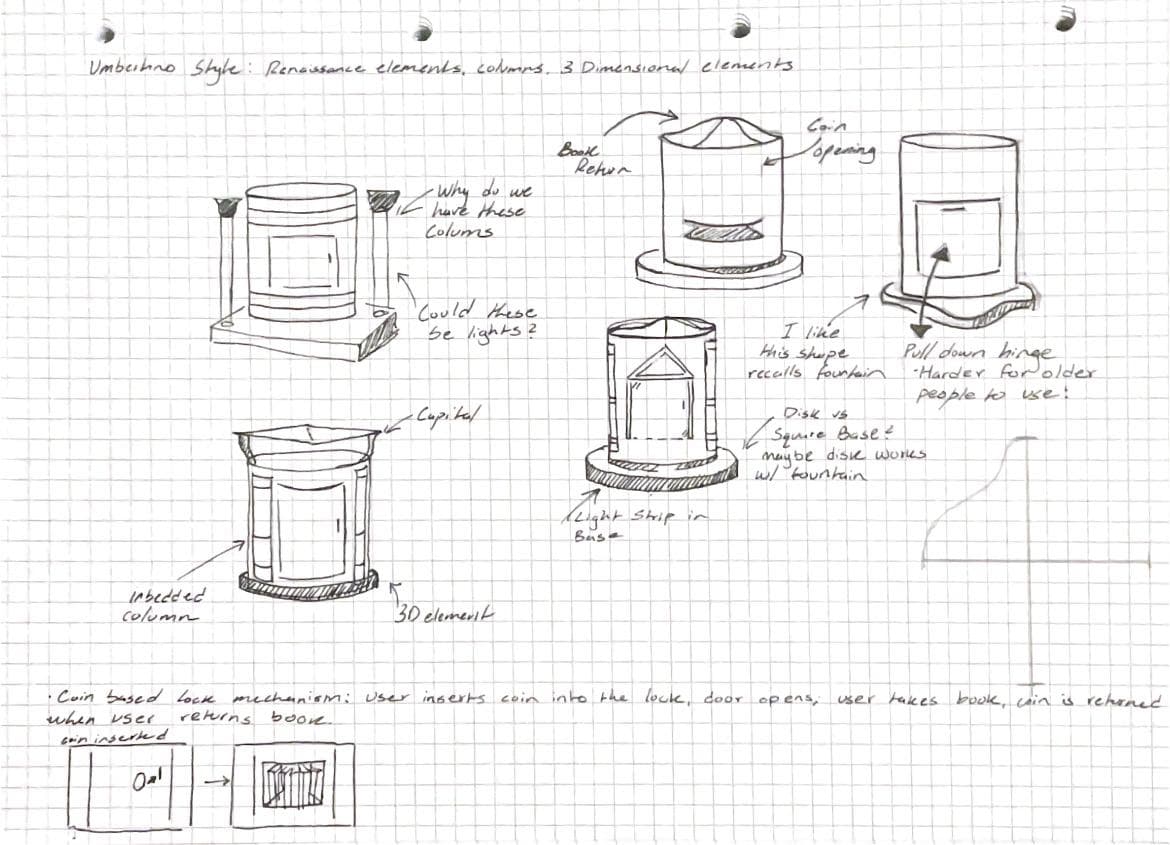
As the form started to take shape, I continued exploring how to increase the intervention's visual interest and how users would interact with it.
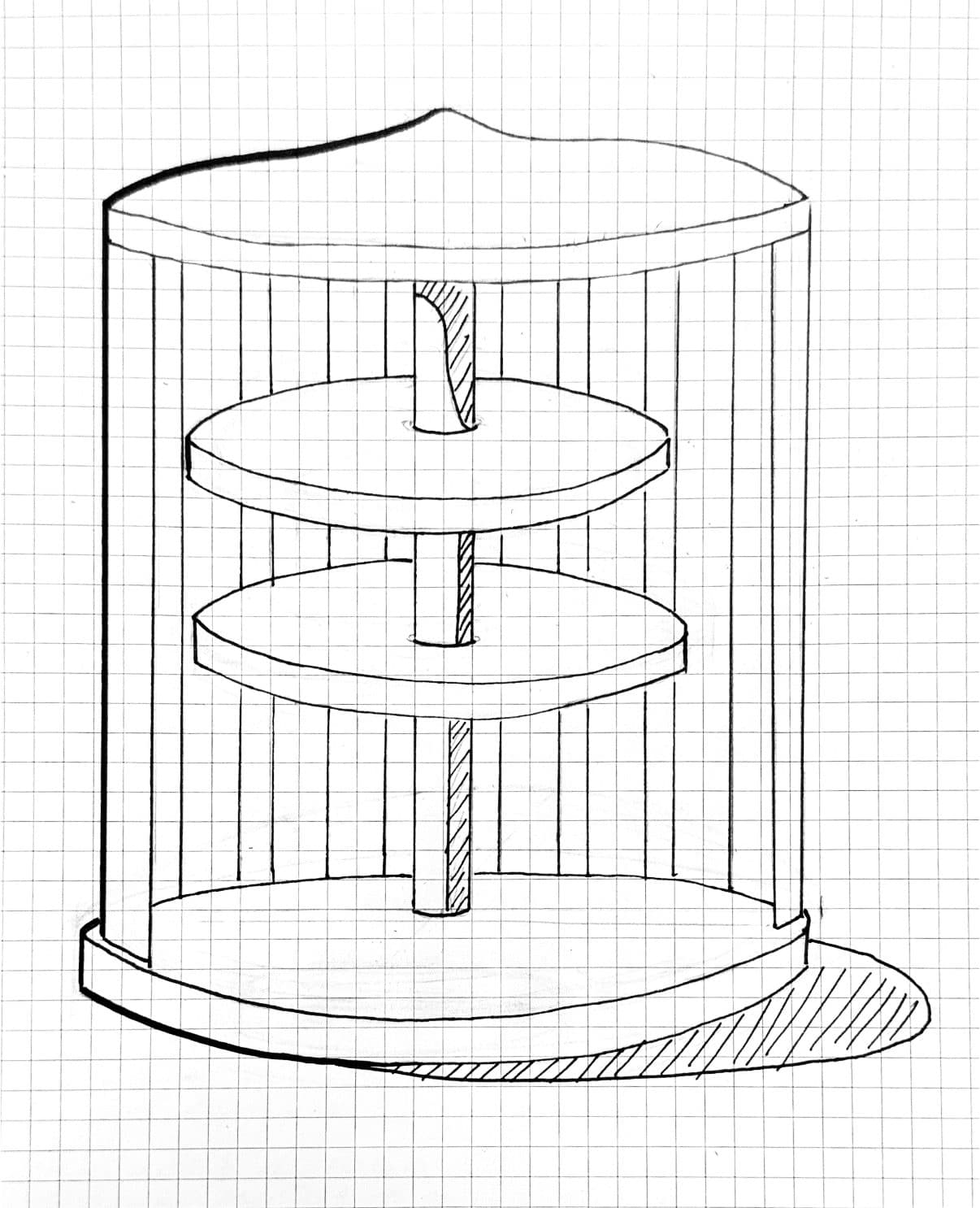
Above is a sketch that would go on to become the final design intervention.
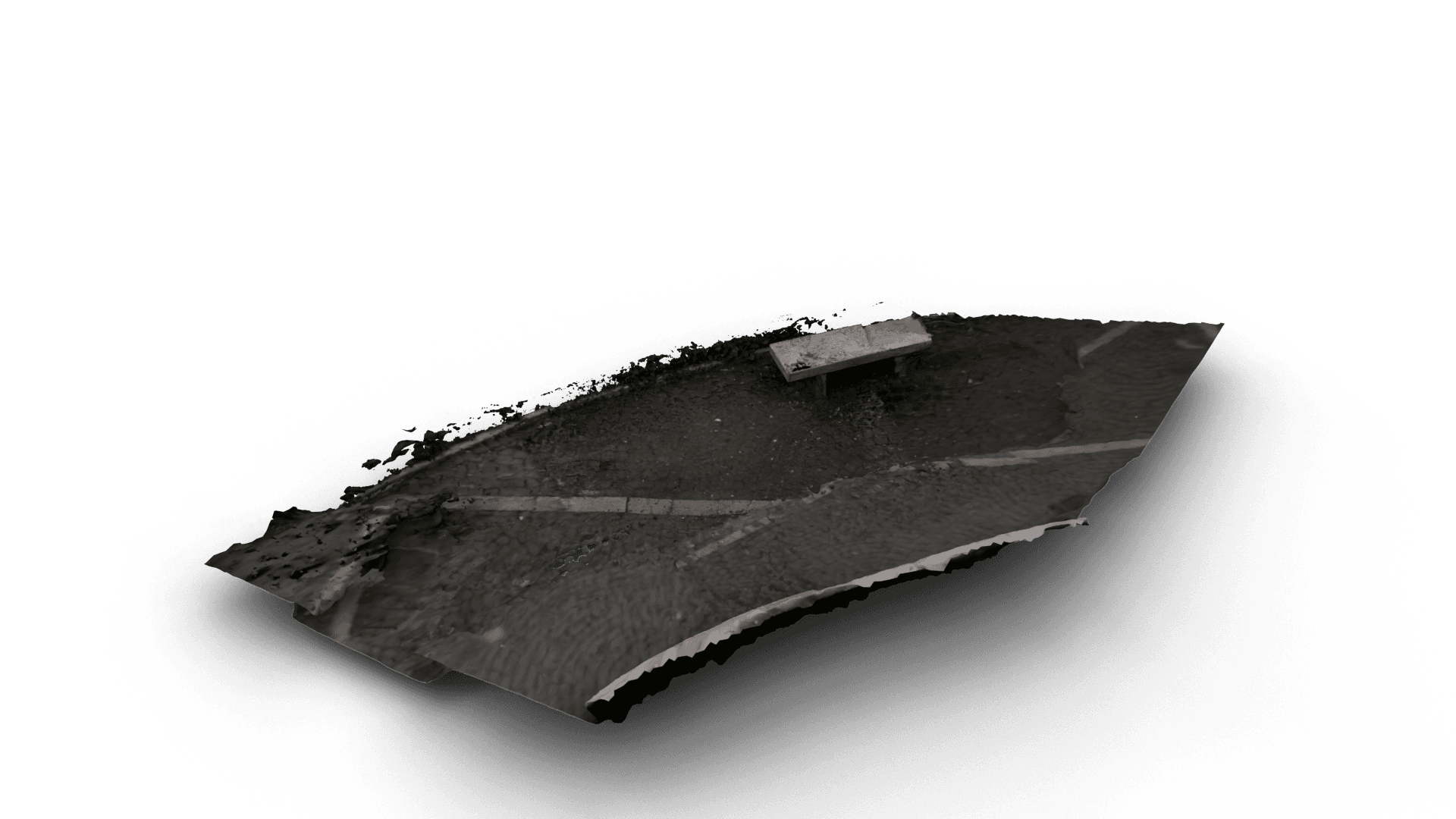
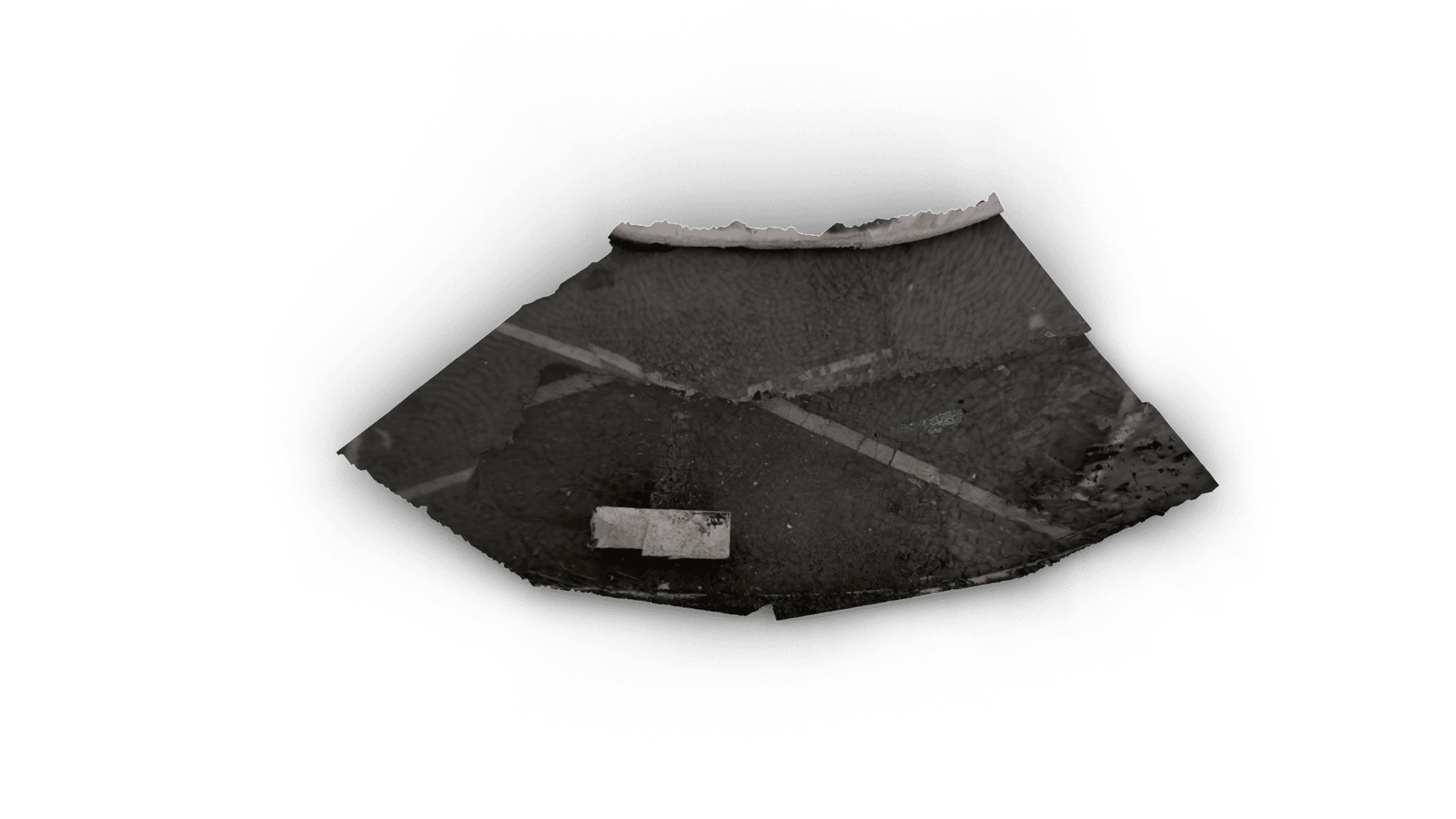
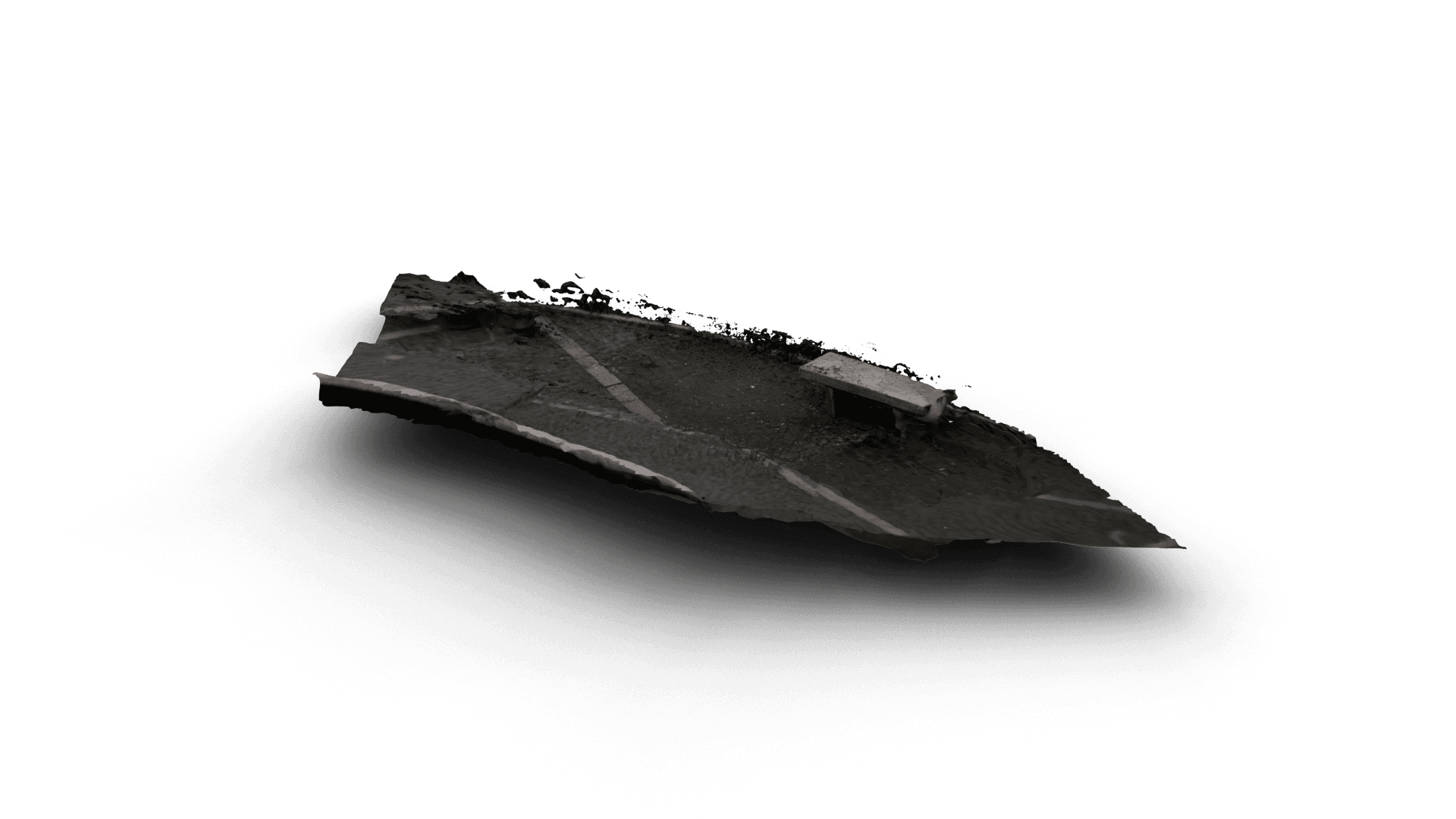
To better understand the scale of the design intervention in relation to other elements of the park, a 3d model was created through photogrammetry. The model was focused solely on the corner section of the park with bench
Outcome
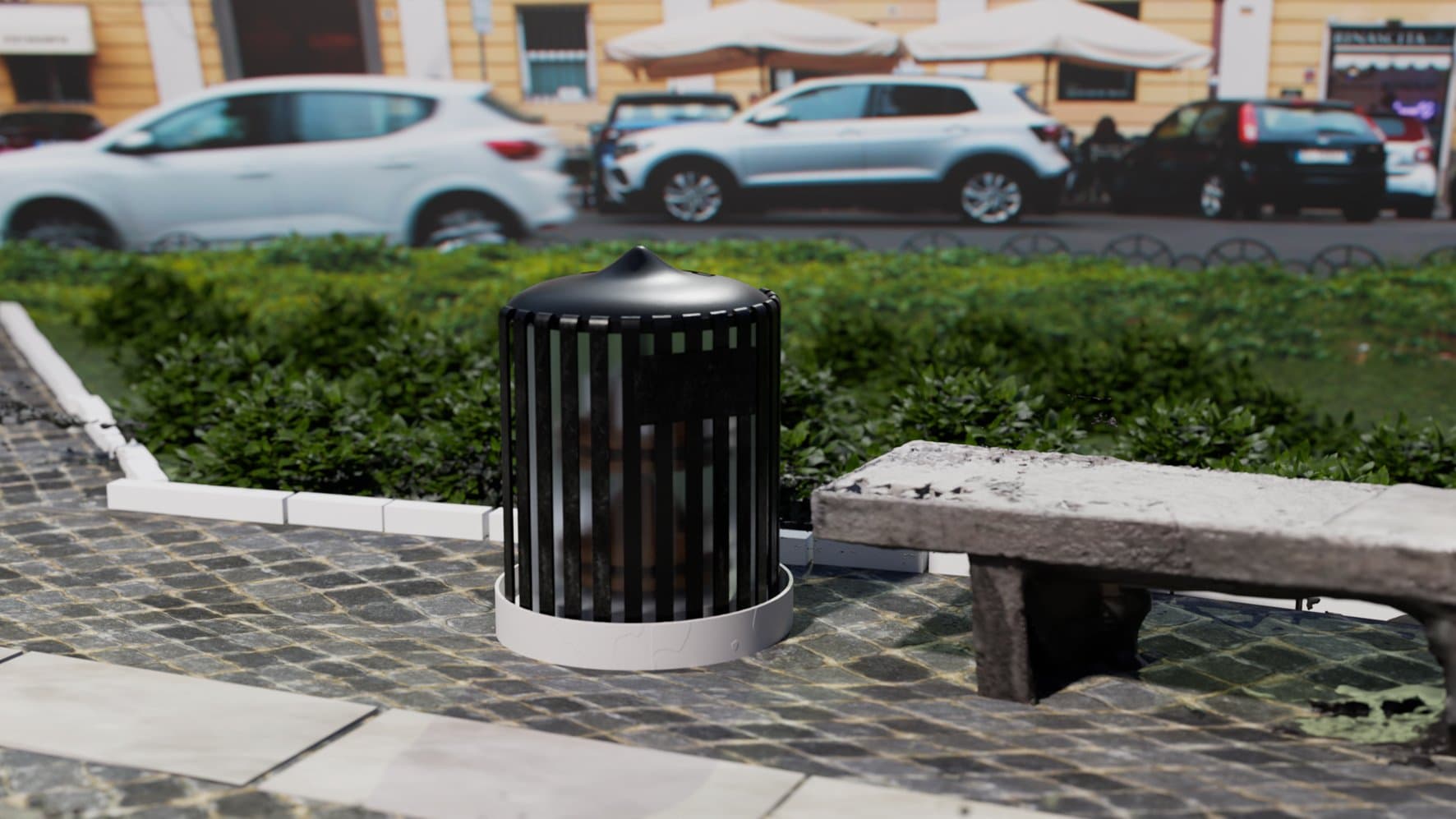
The final design was presented to small group of potential users with mixed results. Users reported that they were interested in the idea, however felt that the form of the design intervention could be further refined to better communicated the objects function.
Piccola Libreria by Sebastian Alessio Peyton (2026)